
Public
Understanding the psychological effects of gambling on decision-making behavior
Understanding the psychological effects of gambling on decision-making behavior
The Nature of Gambling Addiction
Gambling addiction is a complex issue that impacts millions globally. It often stems from psychological factors, including the excitement of risk-taking and the allure of potential rewards. This addiction can lead individuals to make irrational decisions driven by a strong desire to win back losses or chase after the next big win, ultimately altering their decision-making processes. Many gamblers are beginning to explore payid casinos as a way to play responsibly and securely.
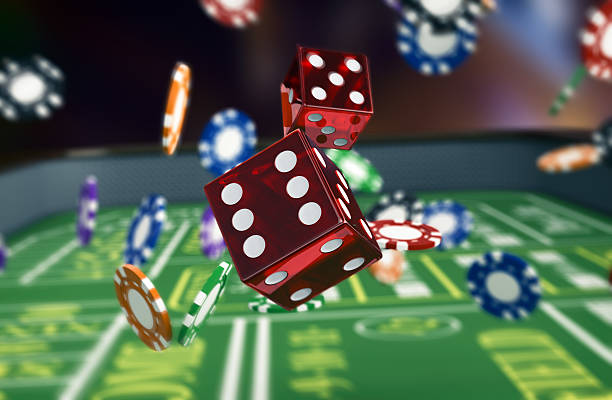
The psychological effects of gambling addiction can severely distort perception. Gamblers may overestimate their chances of winning, leading to poor decisions that prioritize short-term thrills over long-term consequences. This cognitive bias can trap individuals in a cycle of compulsive gambling, as they may fail to recognize the reality of their situation.
The Role of Emotion in Gambling Decisions
Emotion plays a significant role in gambling behaviors. The thrill of winning can trigger intense feelings of excitement and euphoria, which may cloud judgment. Conversely, losses can provoke feelings of frustration and despair, prompting gamblers to chase their losses. This emotional rollercoaster often leads to impulsive decisions, as individuals react instinctively rather than rationally.
Moreover, the impact of emotions is compounded by social factors, such as peer pressure and the environment of gambling establishments. The atmosphere of a casino, designed to enhance excitement, can amplify emotional responses and further distort decision-making. Gamblers may find it difficult to think clearly, succumbing to emotions rather than logic.
Cognitive Biases in Gambling Behavior
Cognitive biases significantly influence decision-making in gambling contexts. One common bias is the illusion of control, where gamblers believe they have the ability to influence outcomes through skill or strategy, despite the randomness of many gambling games. This belief can lead to overconfidence and poor choices, as individuals underestimate the risks involved.
Another prevalent bias is the gambler’s fallacy, the mistaken belief that past events can influence future outcomes in random sequences. For instance, a gambler may think that a slot machine is ‘due’ for a win after a series of losses. These cognitive distortions can lead individuals to make decisions based on flawed reasoning, potentially exacerbating gambling problems.
The Impact of Environment on Decision-Making
The environment in which gambling takes place can profoundly affect decision-making behavior. Casinos and gambling venues are often designed to encourage prolonged play through various sensory stimuli, such as bright lights, sounds, and the presence of other players. This immersive atmosphere can heighten excitement and lead individuals to make impulsive decisions.
Additionally, the social aspect of gambling can further impact choices. Gamblers may be influenced by the behavior of those around them, sometimes leading to riskier betting decisions. The fear of missing out on social experiences can push individuals to take unnecessary risks, often resulting in detrimental consequences.

Resources for Understanding and Help
For those seeking to understand the psychological effects of gambling or looking for help, various resources are available. Many organizations provide information, support, and counseling services aimed at assisting individuals struggling with gambling addiction. These resources can be invaluable in promoting awareness of the mental health implications and aiding in recovery.
Furthermore, educating oneself about the psychological aspects of gambling can empower individuals to make informed decisions. Recognizing the signs of problem gambling and understanding the emotional and cognitive biases at play can be the first step toward healthier gambling behaviors. Seeking professional advice is always a wise option when dealing with gambling-related issues.
