
Public
Understanding the basics of gambling A beginner's guide to making informed decisions
Understanding the basics of gambling A beginner's guide to making informed decisions
What is Gambling?
Gambling is the act of risking money or valuables on an event with an uncertain outcome, primarily driven by the hope of winning additional money or goods. This activity has been around for centuries and can take various forms, including betting on sports, playing card games, or engaging in casino games like slots and roulette. At its core, gambling is often based on chance, although skill can play a significant role in certain types of games, particularly card games like poker. One popular site for these activities is 1xbetregistrationsomalia.com/.
The psychological aspect of gambling is complex. Many individuals are attracted to the thrill of risk-taking and the potential for financial gain. It’s essential to understand that gambling can lead to both positive and negative outcomes. While it can provide entertainment and excitement, it can also result in financial losses and gambling addiction if not approached responsibly. Therefore, a foundational understanding of gambling is crucial for anyone considering participating.
To start with, it’s important to recognize the difference between various types of gambling. Games of chance, such as slot machines and lotteries, rely heavily on luck, whereas games of skill, like poker or sports betting, allow players to influence the outcome based on their knowledge and abilities. Understanding these distinctions is vital for making informed decisions and for identifying which form of gambling might suit your interests and skills best.
Understanding Gambling Odds
Gambling odds are a crucial component that determines how much you can win if you place a bet. These odds can be presented in various formats, including fractional, decimal, and American odds. Each format indicates the same information, but in different styles, making it important for beginners to familiarize themselves with these variations. Understanding how to read odds will enable you to make informed choices when placing bets.
In a basic sense, odds reflect the likelihood of a particular outcome occurring. For example, if a football team has odds of 2/1 to win a game, it means that for every dollar you bet, you will earn two dollars in profit if they win, plus your original bet back. Conversely, lower odds suggest a higher probability of winning but usually yield smaller payouts. This concept of risk versus reward is a fundamental part of the gambling landscape and should be carefully considered.
Furthermore, it’s important to remember that odds are set by bookmakers and can change based on various factors, including team performance, player injuries, and public betting trends. Staying informed about these changes can give you an edge when making bets, allowing you to place wagers at the most advantageous times. The more you understand about how odds work, the better equipped you’ll be to make decisions that could enhance your gambling experience.
Setting a Budget for Gambling
One of the most essential steps in gambling responsibly is setting a budget. Before engaging in any gambling activity, it’s vital to determine how much money you can afford to lose without it impacting your financial well-being. This budget should be separate from your regular expenses, such as bills and savings, to ensure you are gambling responsibly. Establishing a clear budget helps you maintain control and prevents the potential negative consequences associated with overspending.
In addition to setting an overall budget, consider dividing your budget into smaller amounts for individual gambling sessions. This method allows you to track your spending more effectively and can provide an added layer of discipline. For example, if your monthly gambling budget is $200, you could allocate $50 for each week. By doing so, you are less likely to feel tempted to exceed your limits if you experience a losing streak.
Another important aspect of budgeting for gambling is recognizing the signs of problem gambling. If you find yourself gambling more than you planned or feeling distressed about your gambling habits, it may be time to reevaluate your budget or seek help. Many organizations are dedicated to assisting individuals who struggle with gambling addiction, offering resources and support for those in need. Awareness and proactive management of your gambling budget can help mitigate risks associated with gambling.
Responsible Gambling Practices
Responsible gambling is about ensuring that gambling remains a fun and entertaining activity rather than a harmful obsession. This involves understanding your limits, being aware of the signs of addiction, and knowing when to walk away. Setting time limits for your gambling sessions is an excellent way to practice responsible gambling. By establishing a predetermined timeframe, you can enjoy your gambling experience while minimizing the risk of it becoming an all-consuming activity.
Education plays a crucial role in responsible gambling. The more you understand about the games you are playing, the risks involved, and the odds at play, the better decisions you will make. Additionally, knowing that losses are a natural part of gambling can help set realistic expectations and reduce the temptation to chase losses. Always remind yourself that gambling should be viewed as a form of entertainment rather than a way to make money.
Finally, consider the importance of seeking help if you feel your gambling habits are becoming problematic. Many resources are available, including hotlines, counseling services, and support groups designed for those affected by gambling addiction. Engaging with these resources can provide valuable strategies for managing your gambling behavior and ensuring that it remains a positive part of your life.
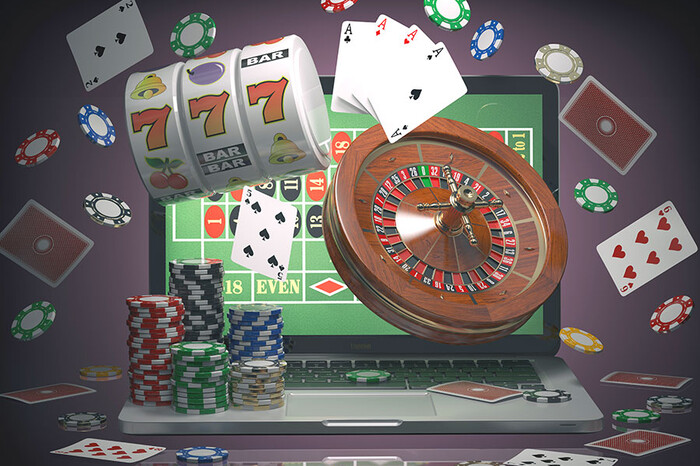
Exploring Online Gambling Platforms
As technology advances, online gambling platforms have become increasingly popular, offering a wide array of games and betting options from the comfort of your own home. These platforms typically provide various features, including live betting, competitive odds, and attractive bonuses. Choosing the right platform is essential for having a positive gambling experience, so it’s worth investing time in research before registering with a site.
When exploring online gambling platforms, it’s crucial to look for secure sites that prioritize user safety and data protection. Reputable platforms will often have licenses from recognized regulatory bodies, ensuring they adhere to strict industry standards. Reading reviews and user testimonials can also help you gauge a platform’s reliability and quality of service, as well as the overall user experience.
Additionally, consider the variety of games and sports available on the platform. From casino classics like blackjack and roulette to a wide range of sports betting options, a diverse selection can enhance your overall gambling experience. Moreover, many online platforms are optimized for mobile use, allowing you to enjoy gambling on-the-go, making it more convenient than ever to engage in your favorite games.
