
Public
Understanding the psychology of gambling what drives people to bet
Understanding the psychology of gambling what drives people to bet
The Allure of Risk and Reward
At the core of gambling psychology lies the thrill of risk and reward. This phenomenon captures a spectrum of emotions ranging from excitement to anxiety, all heightened by the potential for significant financial gain. Many individuals are drawn to this dynamic, as the anticipation of winning can provide a dopamine rush that becomes addictive over time. The idea that a single bet can lead to substantial change sparks a unique allure, driving many to engage in gambling activities.
Research indicates that the psychological interplay between risk and reward is a powerful motivator. When individuals gamble, they often experience a heightened state of arousal, which can lead to impulsive decision-making. This excitement is compounded by the social aspects of gambling, where the environment encourages communal experiences that make the risks seem more manageable. In essence, the thrill of placing a bet serves as both an escape and an adventure, appealing to those seeking stimulation in their lives.
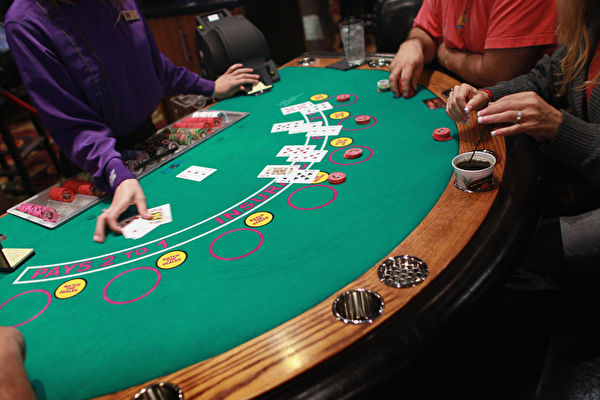
Additionally, many gamblers are drawn to the narratives surrounding gambling, from tales of ‘lucky winners’ to the strategies employed by seasoned players. This narrative can create a sense of hope and inspire individuals to believe that they too can achieve similar success. Such stories not only fuel the desire to participate but also contribute to the formation of a gambling culture that perpetuates these behaviors, drawing more people into the world of betting.
The Role of Cognitive Biases
Cognitive biases play a crucial role in gambling behavior, influencing how players perceive their chances of winning. One prevalent bias is the “gambler’s fallacy,” where individuals believe that past outcomes affect future results, leading them to chase losses or make irrational bets. For instance, someone may continue to place bets after a series of losses, convinced that a win is ‘due’ simply because of the string of bad luck. This flawed reasoning can drive compulsive gambling habits, as individuals fail to understand the randomness of the games.
Another common cognitive bias is the “illusion of control,” where gamblers feel they can influence outcomes through their actions. Many players believe that their betting strategies or choices can somehow impact the randomness of slot machines or card games. This misconception not only fuels their engagement but also increases the likelihood of risky behavior. As players focus on their perceived control, they become more invested and may overlook the inherent chance involved in gambling.
Understanding these biases is vital in addressing responsible gambling. Awareness can lead to better strategies for players, helping them recognize when their cognitive distortions may lead to negative outcomes. By educating gamblers about cognitive biases, platforms and organizations can foster more responsible betting habits, ultimately reducing the risk of addiction and negative consequences associated with gambling.
The social aspect of gambling cannot be understated, as many individuals are drawn to it for the community it fosters. Group dynamics often enhance the thrill of gambling, turning solitary activities into social events. Whether through friendly wagers among friends or large gatherings in casinos, the shared experiences can amplify emotions and create a sense of belonging. This socialization encourages individuals to gamble not only for the potential rewards but also for the camaraderie it fosters.
Moreover, the social interaction surrounding gambling can lead to a normalization of risky behaviors. When individuals see their peers engaging in gambling, it can diminish the perceived risks associated with the activity. Many are influenced by their social circles, leading them to believe that gambling is a common and acceptable form of entertainment. This can lead to an increase in participation, especially among young adults, who may be eager to join in on activities that provide social validation.
The impact of social media and online gaming platforms has further intensified this phenomenon. Many platforms encourage sharing experiences and achievements, promoting a culture that celebrates gambling. This can create an environment where excessive gambling is not only accepted but glorified, making it essential for operators to implement responsible gaming measures to mitigate the associated risks.
The Pursuit of Escape and Entertainment
For many, gambling serves as an escape from daily life. The chaos of the outside world can lead individuals to seek solace in betting, where they can momentarily forget their troubles. The thrill of placing a bet and the engaging nature of games can provide a welcome distraction from stress, boredom, or personal issues. This pursuit of escapism can be particularly pronounced in individuals facing significant life challenges or stressors, leading them to seek solace in the world of gambling.
Entertainment is another primary driver behind gambling. Many see it as a leisure activity, engaging with games and bets for fun and excitement rather than solely for financial gain. This perspective helps frame gambling as a form of entertainment, akin to watching a movie or attending a concert. However, while it can be enjoyable, the line between entertainment and obsession can easily blur, particularly if players fail to set limits on their behavior.
Ultimately, understanding the psychological motivations behind gambling can help both individuals and organizations. By recognizing the balance between entertainment and potential addiction, players can make more informed decisions about their gambling habits. The aim should always be to enjoy gambling responsibly, ensuring it remains a source of fun rather than a catalyst for negative consequences.
Lucky Mister Casino: A Responsible Gaming Platform
Casino is designed with user experience and responsible gambling at the forefront. Aimed at players in the UK, this online gaming platform seeks to offer a straightforward and engaging environment for those looking to enjoy various games. By making the registration process easy and providing clear information about bonuses and payment methods, Casino empowers players to make informed decisions about their gambling activities.
The platform also emphasizes responsible gambling, providing resources and support to help players maintain a healthy relationship with gaming. By encouraging users to set limits and understand the risks involved, Casino aims to foster a safe environment where players can enjoy their favorite games without jeopardizing their well-being. This commitment to responsible gaming reflects an understanding of the psychological aspects that drive people to bet, promoting healthier habits in a fun and engaging way.
Overall, Casino stands out as a user-friendly platform that prioritizes the well-being of its players. By offering a diverse range of games while emphasizing safety and responsibility, it caters to the growing market of online gambling while addressing the psychological factors that drive individuals to engage in this activity. Players can enjoy the thrill of betting with peace of mind, knowing that the platform supports responsible gaming practices.
